Introduction
In today’s digital landscape, organizations and individuals constantly grapple with the delicate balance between security and convenience. While users demand seamless and efficient experiences, security professionals must ensure robust protection against ever-evolving threats. However, security and convenience do not always go hand in hand. Stricter security measures often introduce friction, while overly convenient solutions can create vulnerabilities. The challenge lies in integrating security measures without frustrating users or impeding business operations. This article explores key challenges, evaluates them from a security lens, and presents solutions that maintain both usability and safety.
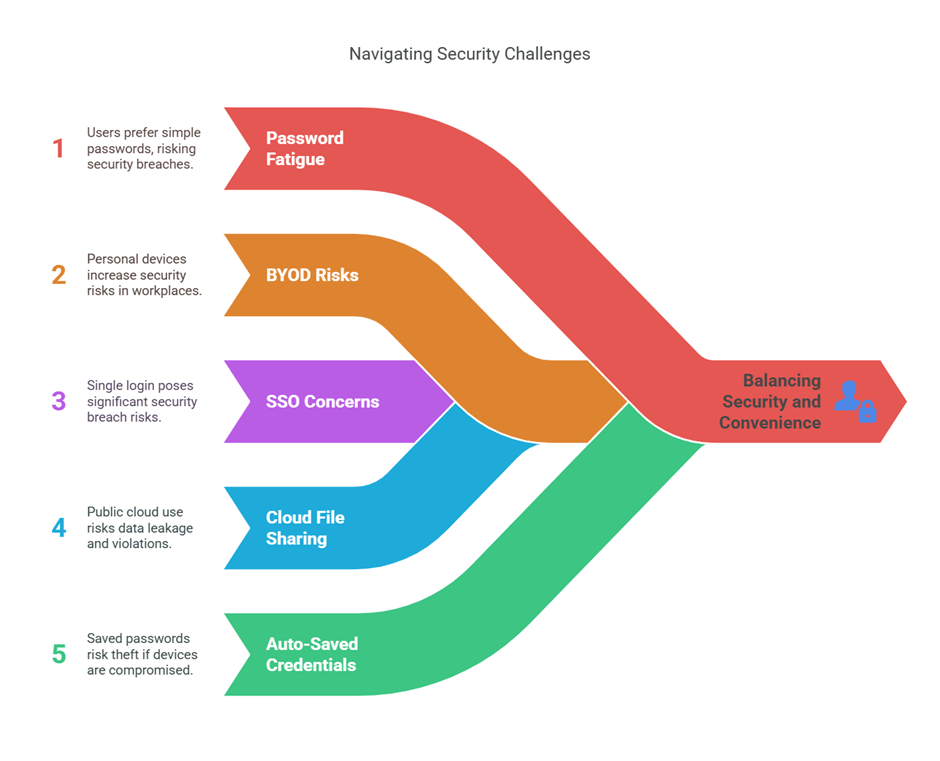
Understanding Challenges
Security and user expectations often clash, as users prioritize ease of access and efficiency, while security measures emphasize risk mitigation. This tension results in five common challenges:
Evaluation from a Security Lens
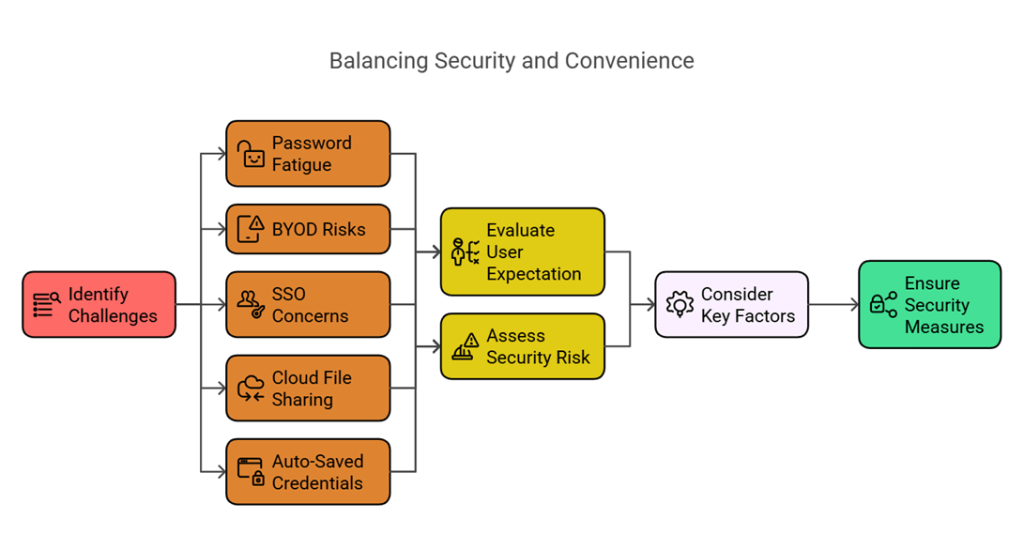
Evaluating these challenges requires a structured approach that considers both the user experience and security risks. Below is a detailed assessment:
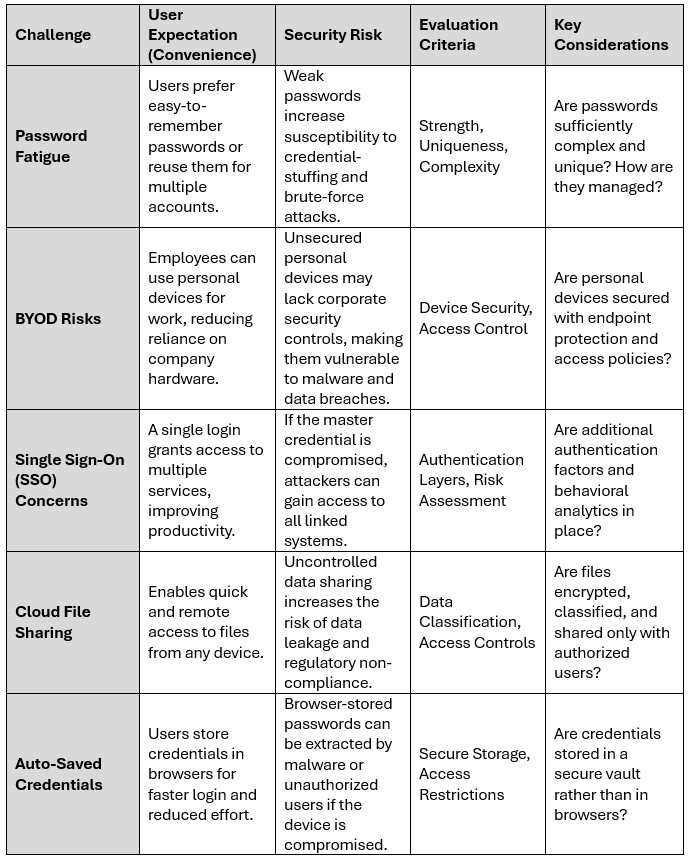
Security teams must evaluate these trade-offs by assessing impact, likelihood, and mitigation strategies while considering user experience.
What Role Can We Play?
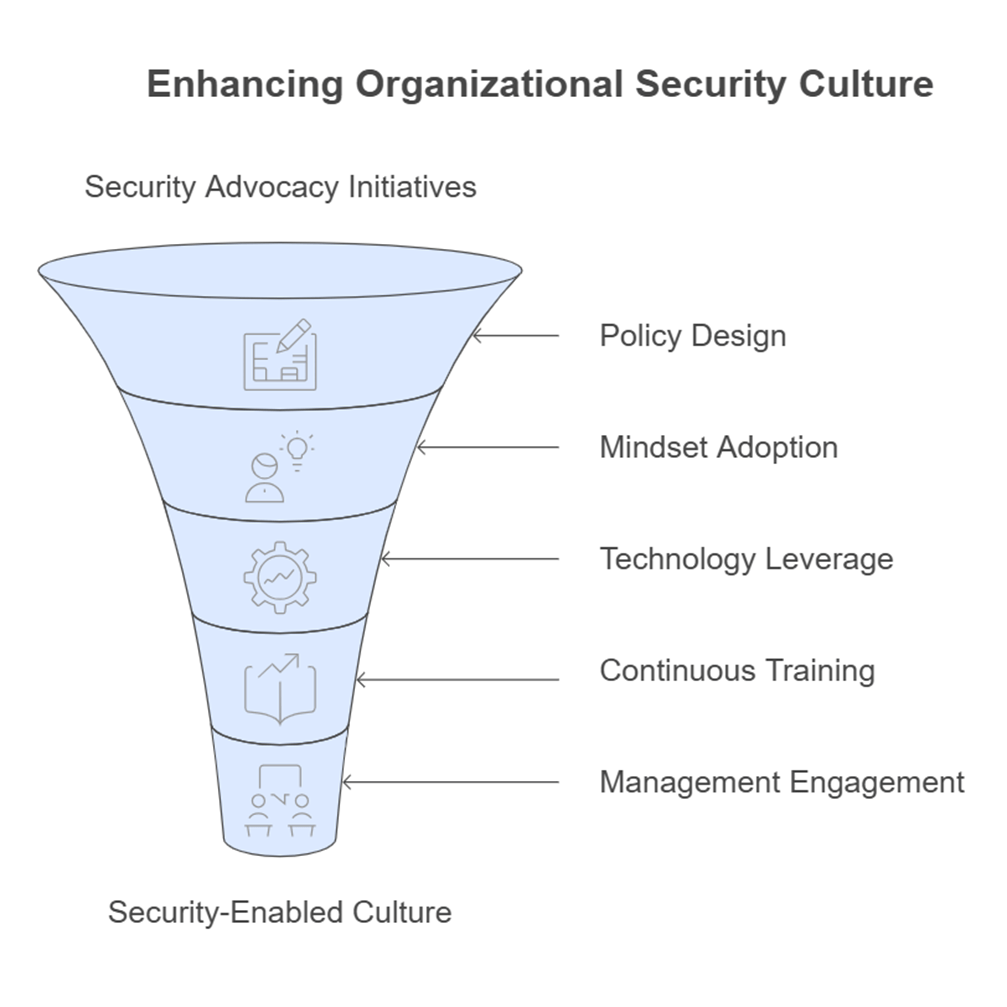
As security professionals, IT leaders, and users, we must:
- Design policies that integrate security without creating unnecessary friction.
- Encourage adoption of security-first mindsets across all levels of an organization.
- Leverage technology to implement security solutions that enhance, rather than hinder, user productivity.
- Conduct continuous security awareness training to ensure users understand threats and best practices.
- Engage senior management and board members to ensure security is a top priority in decision-making.
- Develop a culture where security is not seen as a hindrance but as an enabler of safe business operations.
Secure Solutions to the Five Challenges
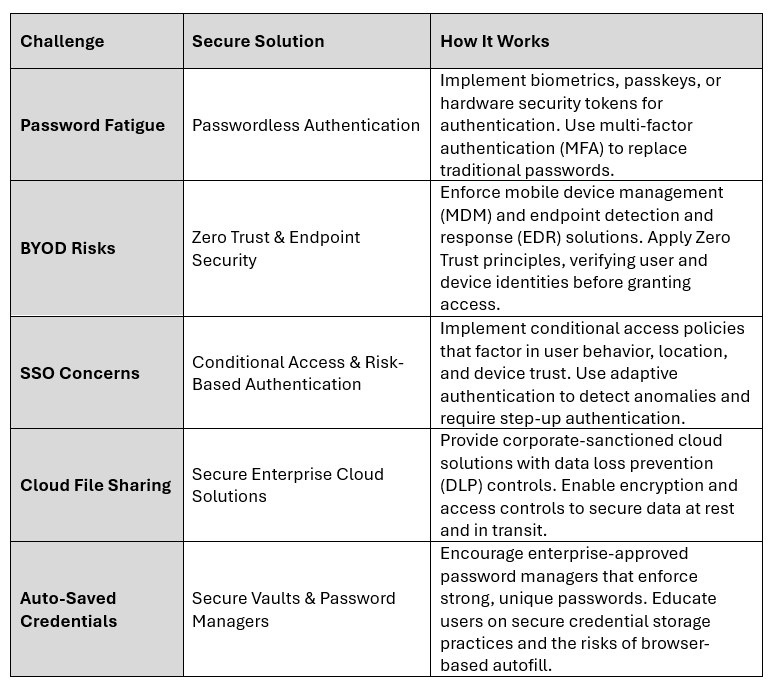
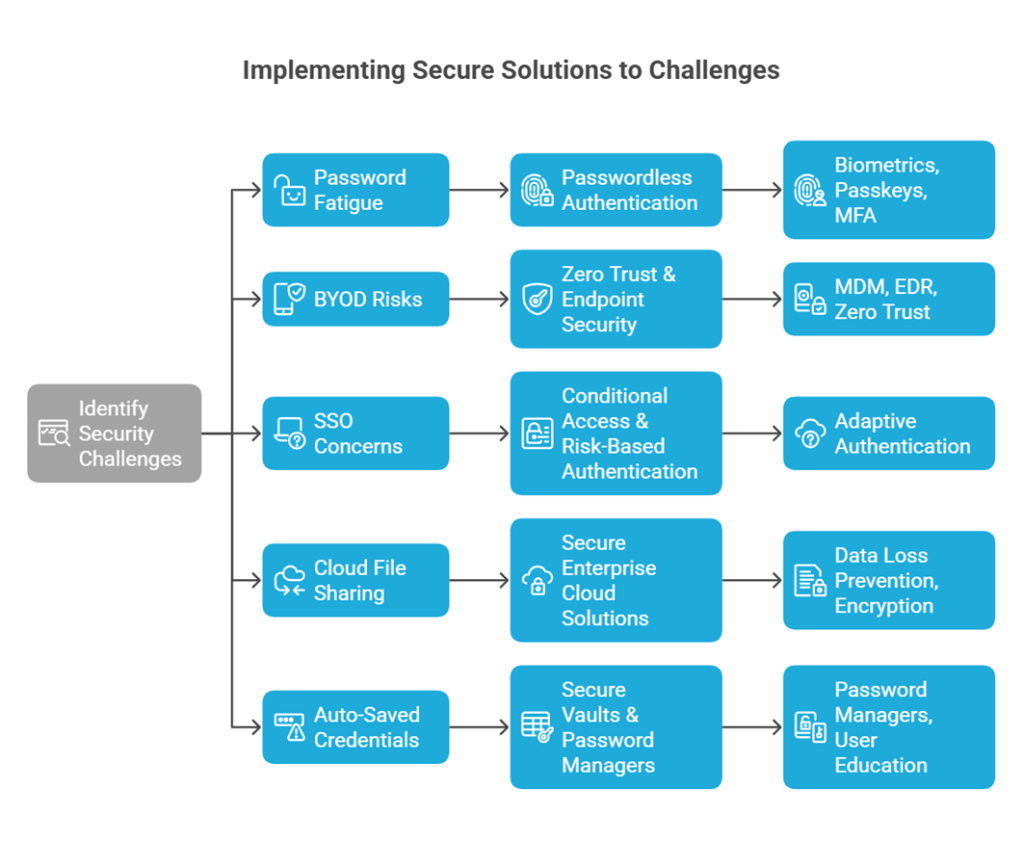
To effectively mitigate these challenges while maintaining a seamless user experience, organizations must implement strategic security solutions that align with user expectations. The approach should integrate secure-by-design principles, leverage advanced authentication technologies, and enforce intelligent policies that enhance security without introducing unnecessary friction. Additionally, continuous user awareness and training on new and updated processes are essential to ensure users understand security best practices and their role in safeguarding systems. Empowering employees with knowledge helps bridge the gap between security policies and user compliance, fostering a security-conscious culture across the organization.
Conclusion
Security and convenience are not mutually exclusive. By leveraging innovative solutions, enforcing intelligent policies, and promoting security awareness, organizations can provide seamless user experiences without compromising protection. The key is to integrate security in a way that aligns with user behaviour, ensuring that security measures become enablers rather than obstacles. Achieving this balance requires a socio-technical approach—one that considers not just technology, but also human behaviour, organizational culture, and risk appetite.
What steps have you taken to balance security and convenience in your organization? Share your thoughts in the comments!
 wirecat
Leave a comment